Exterior
Body architecture, proportion and surface character

Vehicle redesign
One vehicle. Connected exterior, interior, wheel and detail design streams.
Connected program
Each stream is developed as part of the same technical and visual system. Decisions stay connected from the first reference through to the production-ready component.
Body architecture, proportion and surface character
Airflow studies, pressure zones and validation
Cabin architecture, seating, color and trim
Research, sketch, digital development and construction
Exhaust, material definition and finishing
The program begins by mapping the vehicle's existing visual logic: its stance, tension lines, volumes and unmistakable Lamborghini cues. Every intervention must feel more focused without losing the original identity.
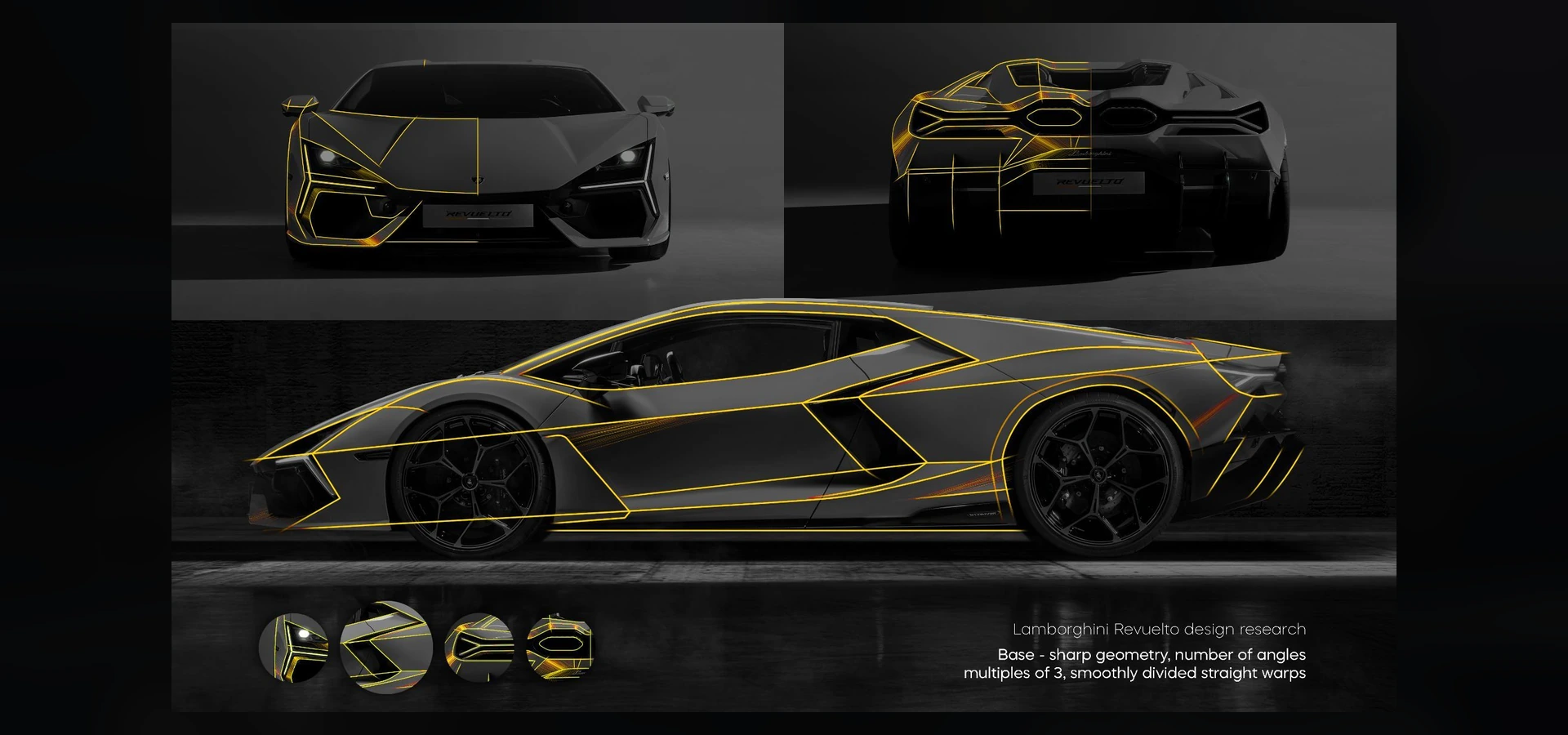
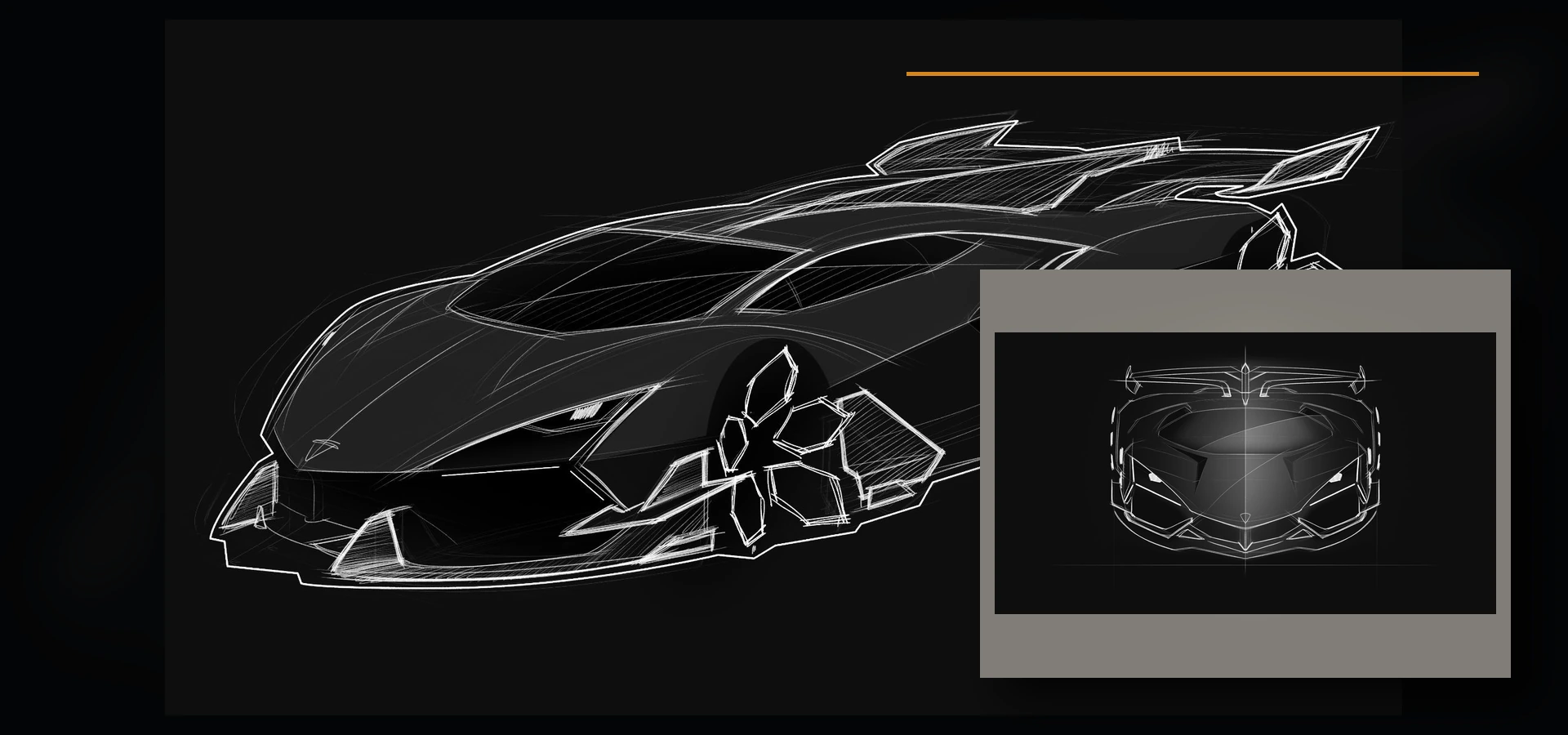
Visual research is converted into fast exploratory sketches. Competing ideas are compared against one common brief, then reduced to a coherent direction ready for digital development.
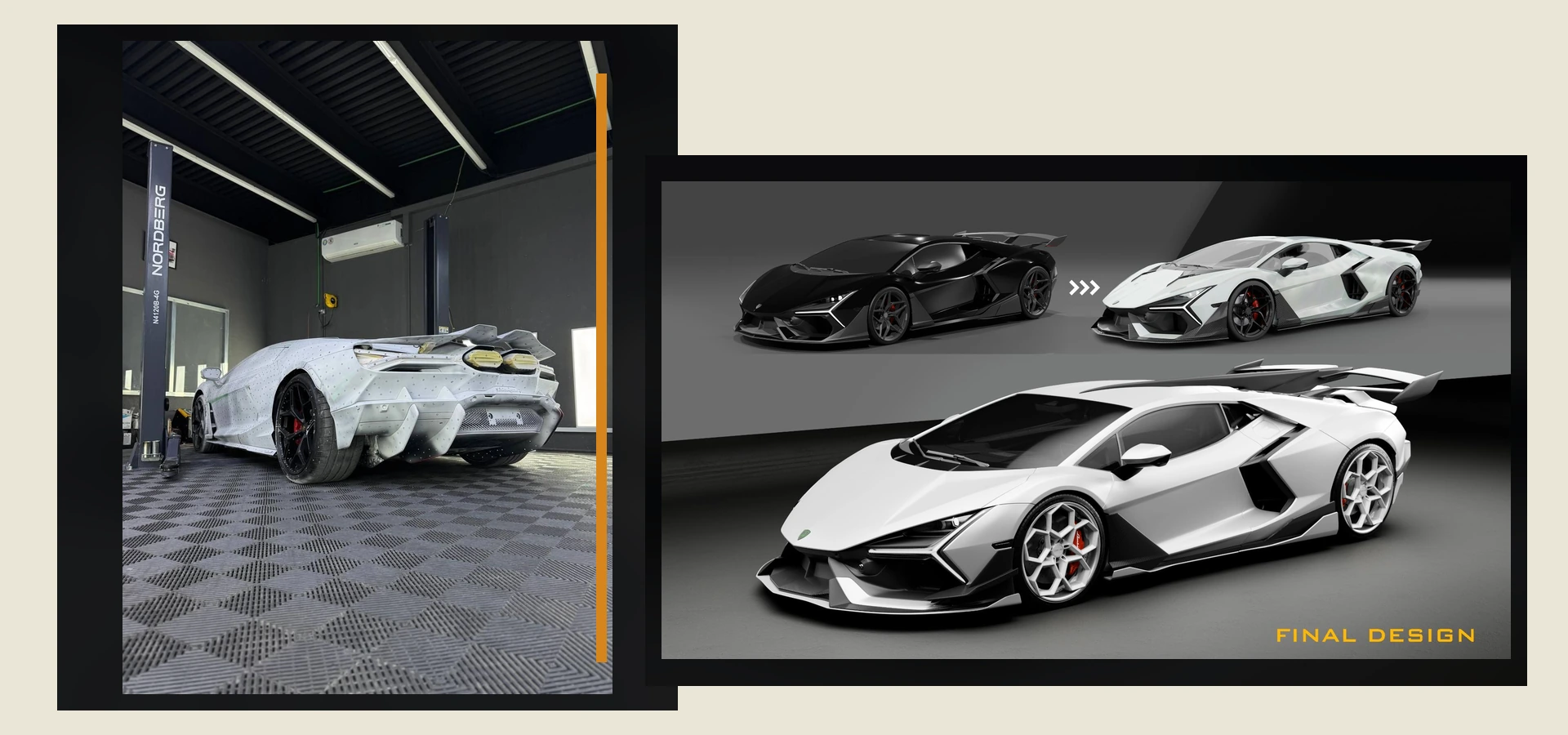
The real vehicle is documented at engineering scale before new aerodynamic parts and mounting logic are resolved.
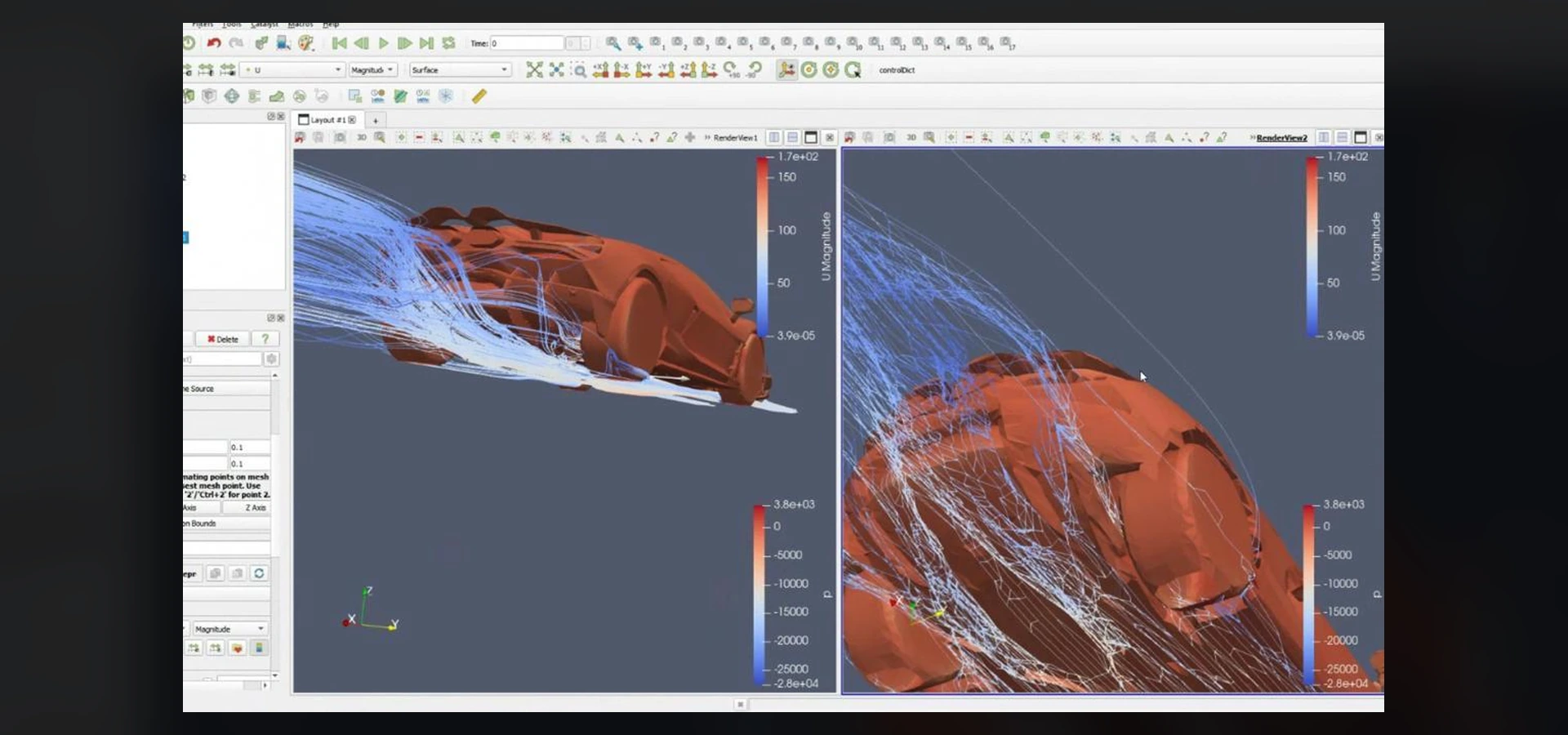
CFD is used as a design tool, not a final check. Pressure, separation and cooling behavior guide every iteration until performance and visual clarity support one another.
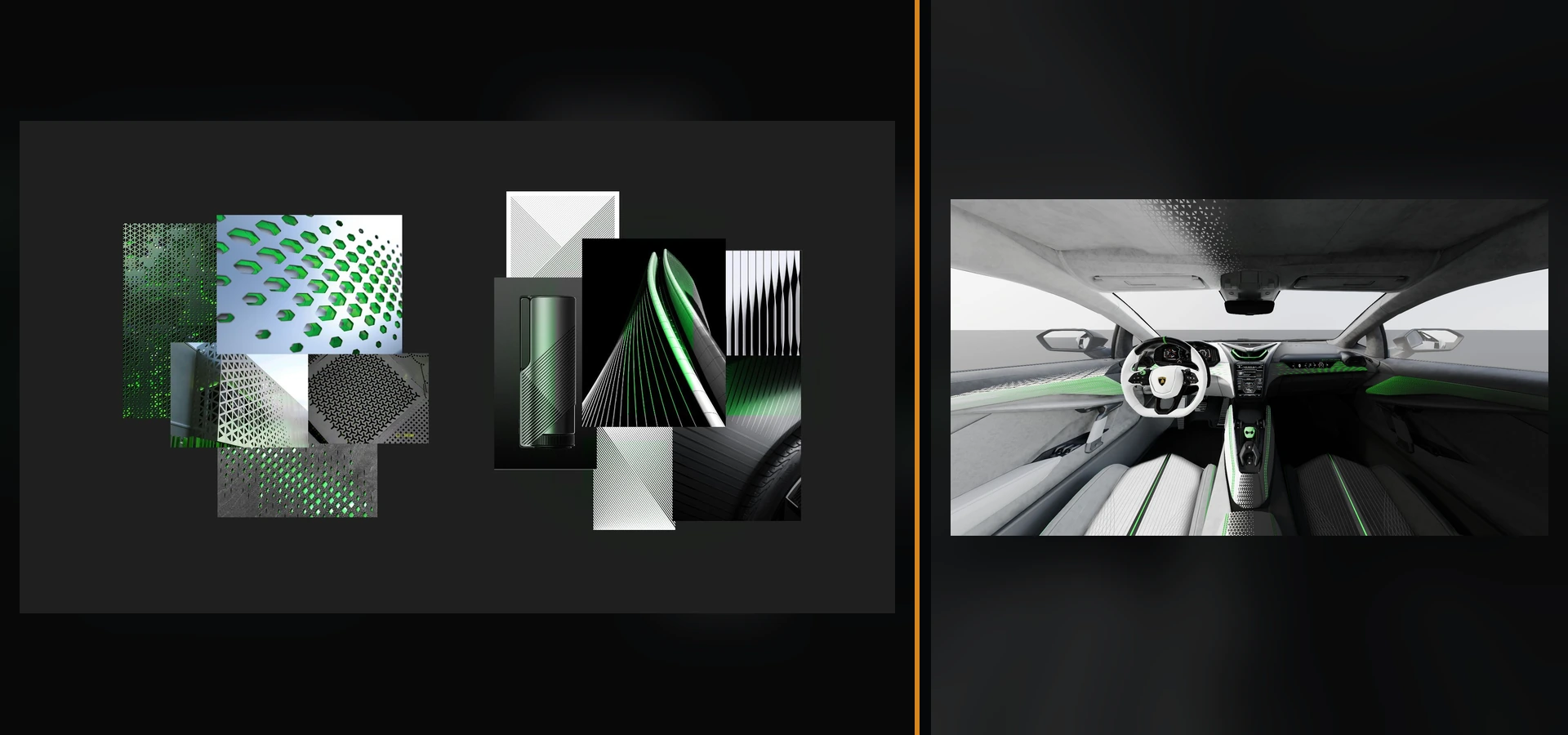
The cabin is treated as a complete environment. Materials, color breaks, touch points and seating geometry are developed together so the interior has the same precision as the exterior.
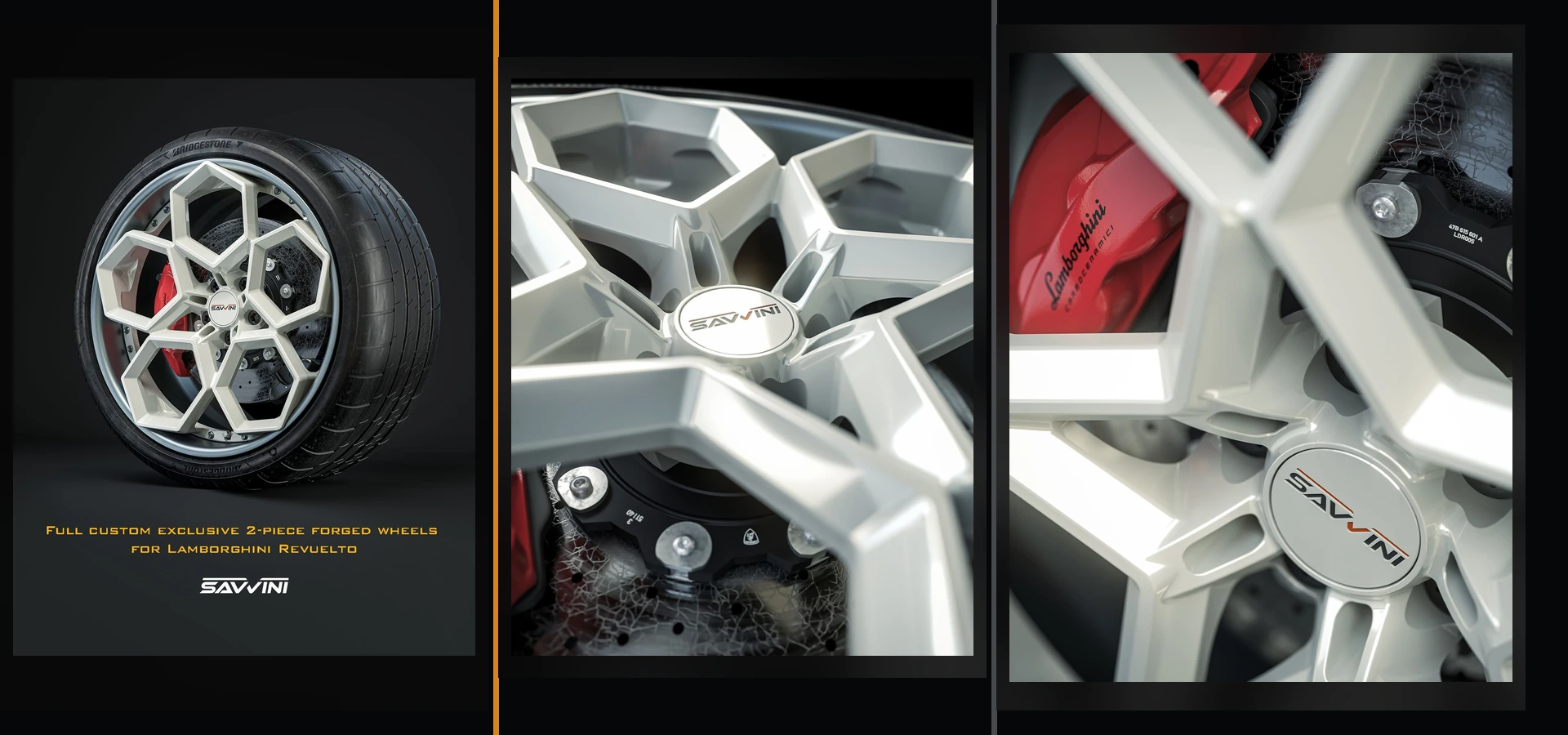
Wheel design moves from graphic exploration to engineered geometry. Spoke tension, brake clearance, load paths and manufacturing constraints are resolved as a single design problem.
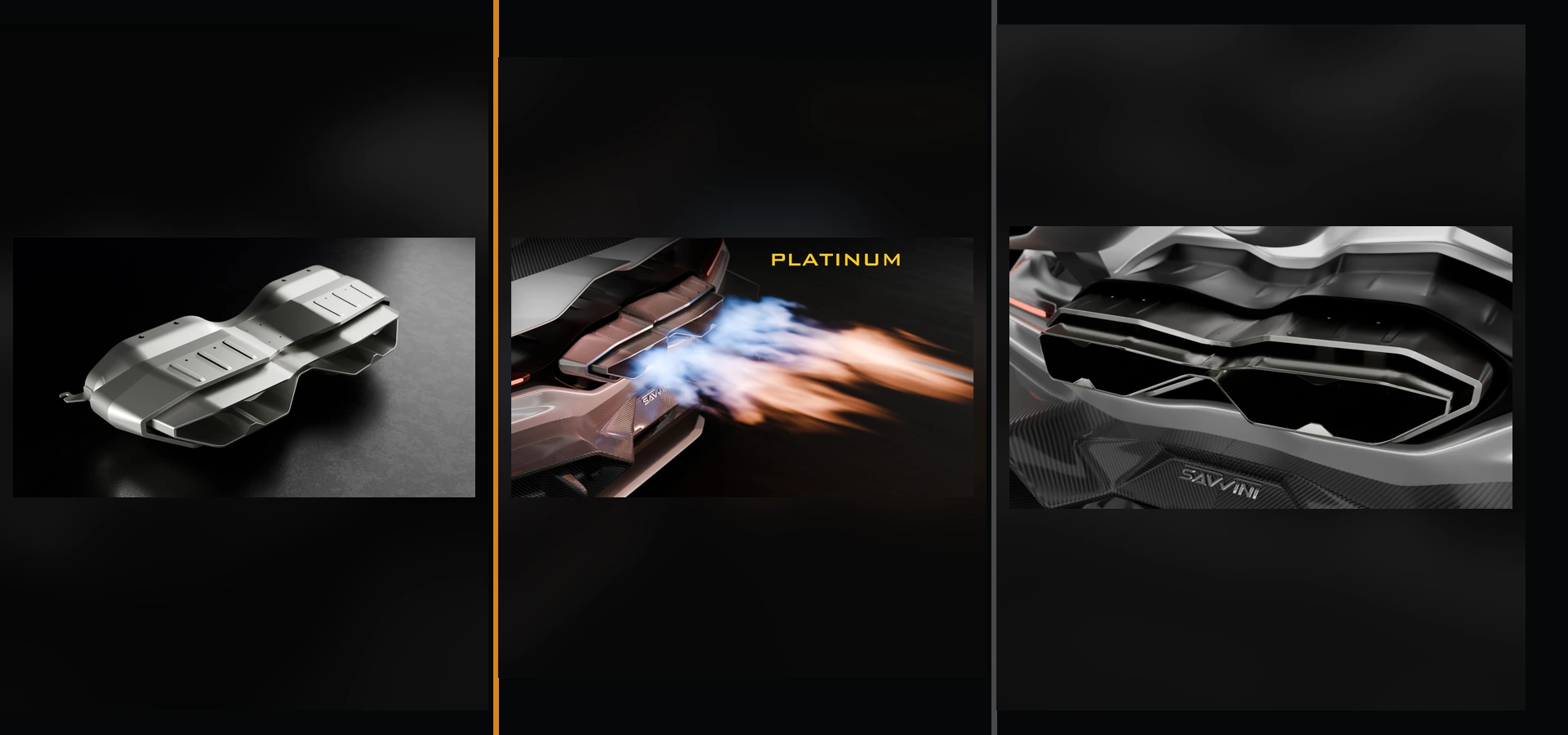
Visible components are developed down to mounting logic, material selection and final surface treatment. The result must be credible at engineering distance and rewarding at close range.
Exterior, aero, interior, wheels and technical details return to the full vehicle. One connected program creates one resolved character rather than a collection of unrelated parts.
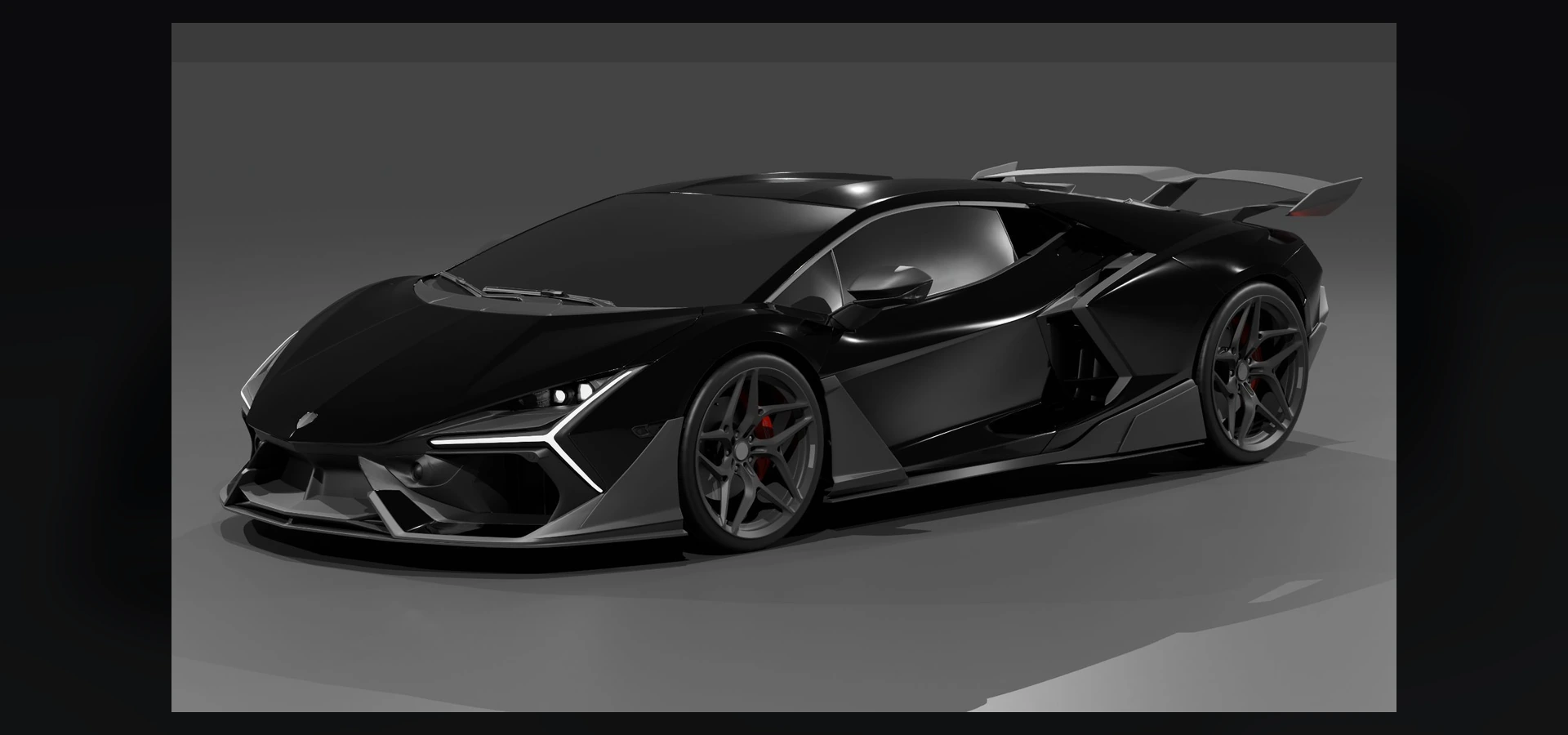
Program output